From the fruit stand in the neighborhood market to the vast empire of Microsoft or Disney, we all interact with businesses large and small. Peter Drucker, father of the practical foundations and philosophies of modern business, said this:
“Management is doing things right; leadership is doing the right things.” The ROWAN staff, without possibly realizing it, teaches us this very truth.
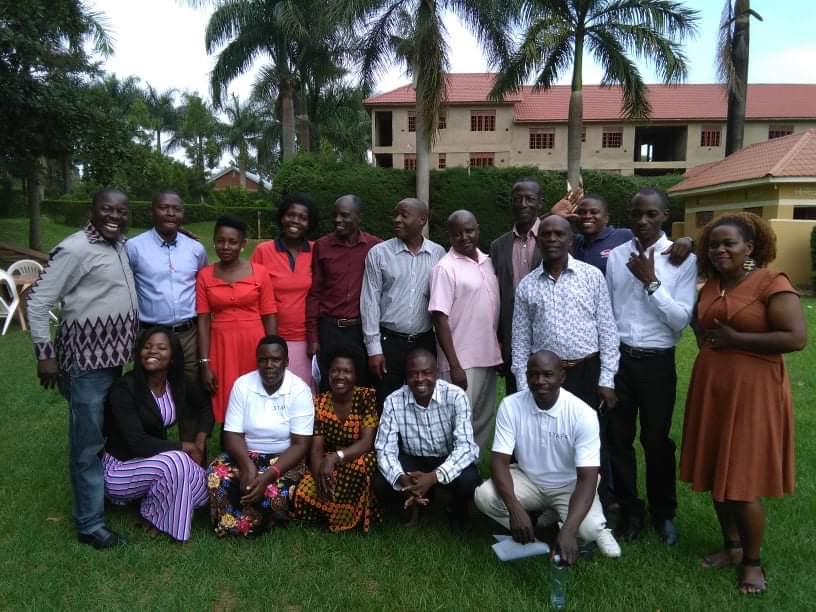
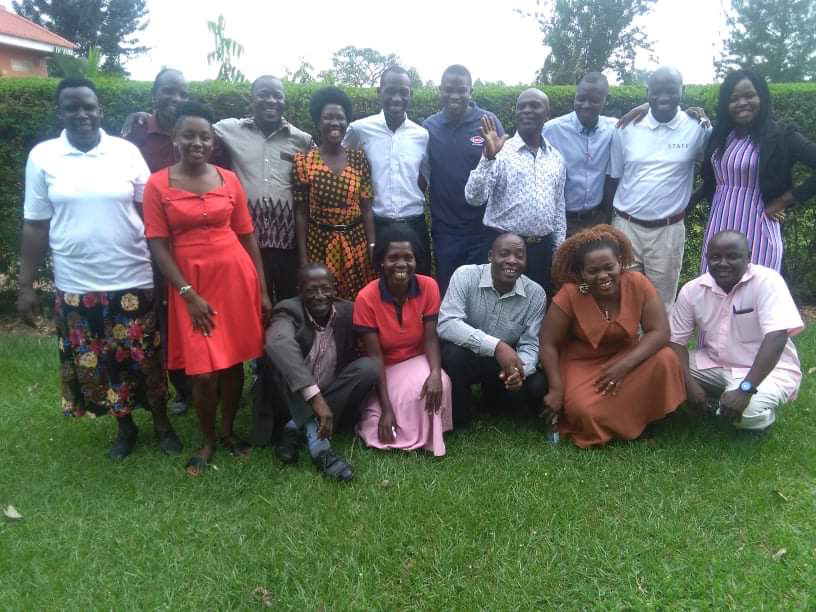
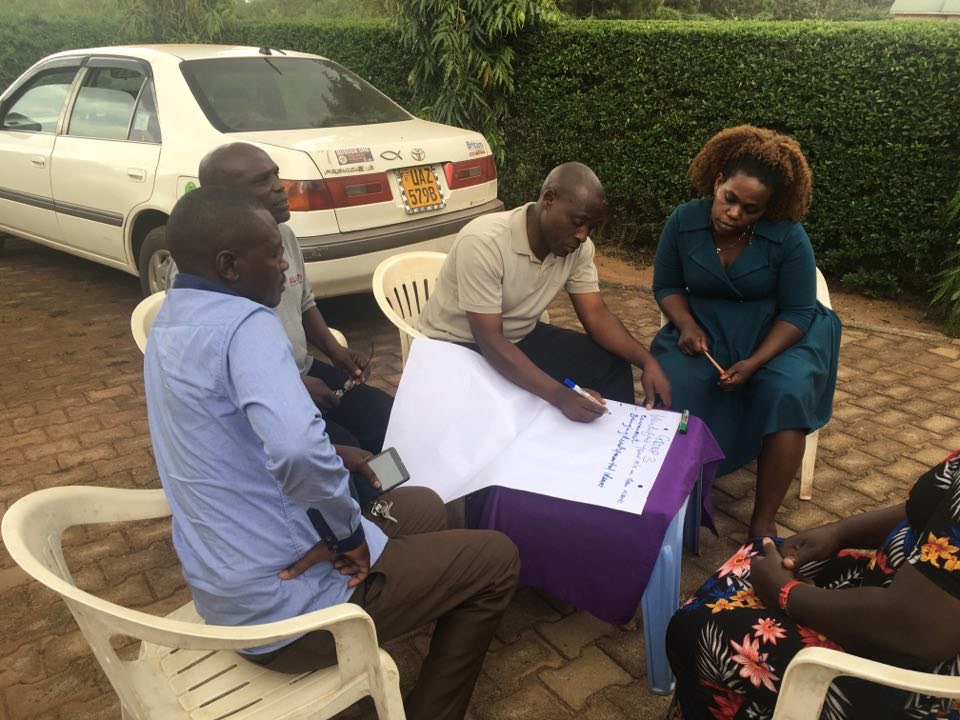
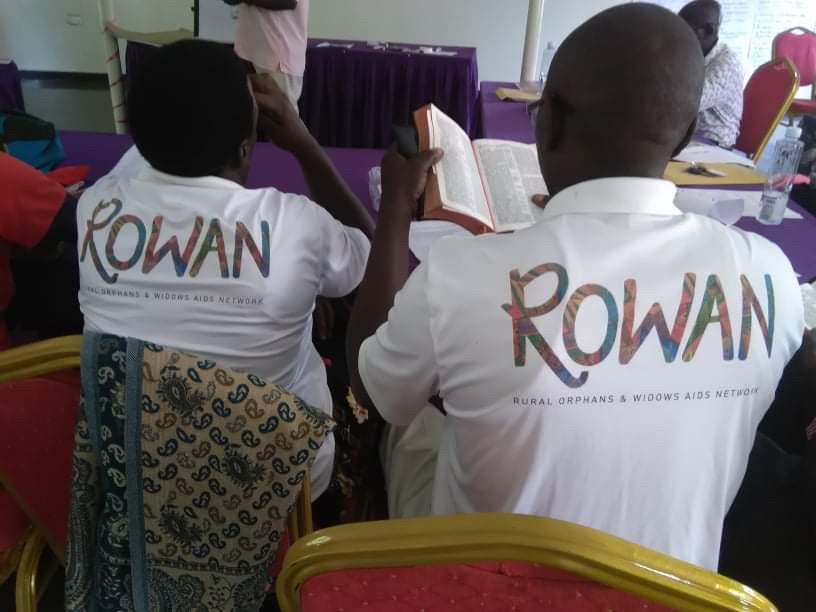
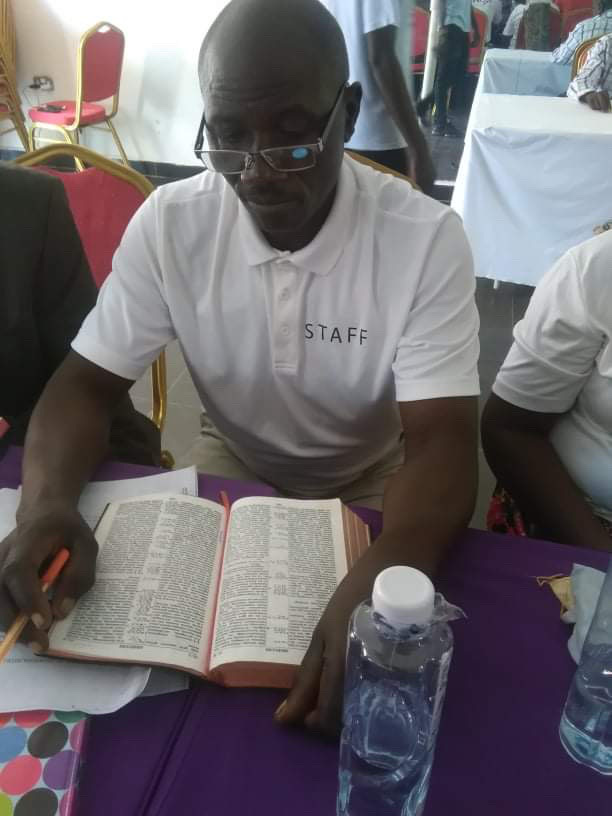
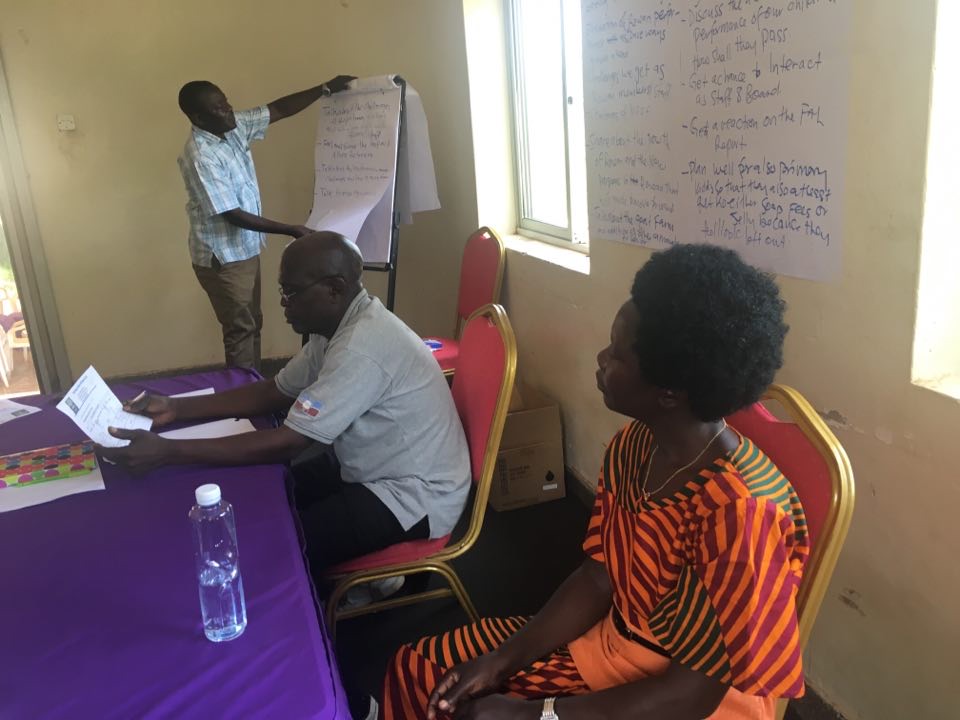
ROWAN staff recently had their 2020 Staff Retreat in Iganga. The theme was: “Enhancing Teamwork for Effective Service Delivery”. They spent time in sessions engaged with the following topics:
Discussion of Expectations, Fears, and Objectives
The role of Teamwork and Identifying One’s Role on the Team
Strategies for Team Effectiveness and Performance
Issues and Challenges Affecting Teamwork
Alignment of Teamwork with Christian Values
ROWAN leaders spend time in preparation, prayer, and planning to do the right things. This group of flawed people, saved by Jesus Christ, takes the time to discern, pray, wait on God—through some very difficult and painful daily struggles—to do the right things for the widows and orphans in their care.
If you’d like to sponsor a widow or orphan through this growing organization of leaders that Peter Drucker would be proud of, please choose someone to sponsor in Uganda today. You will become part of our AMAKA (family) doing the right things for widows and orphans and you will be changed for the better. It happens to each of us who follow God’s tug at our hearts and it will happen to you.
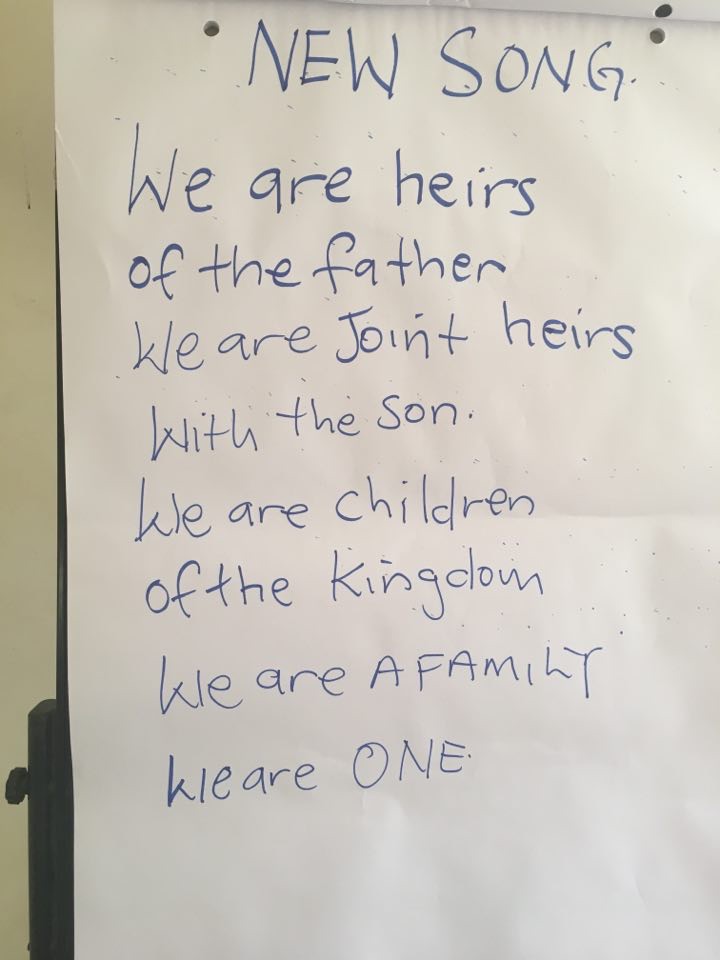
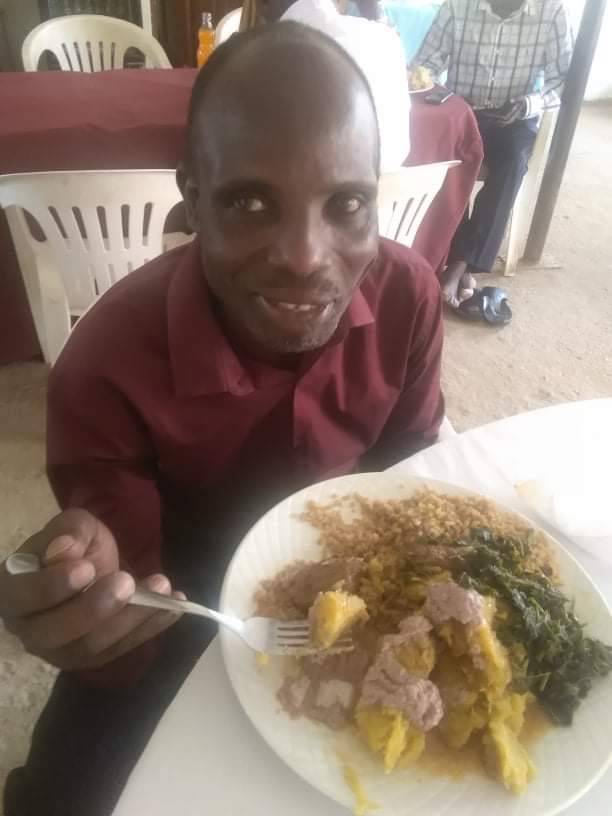
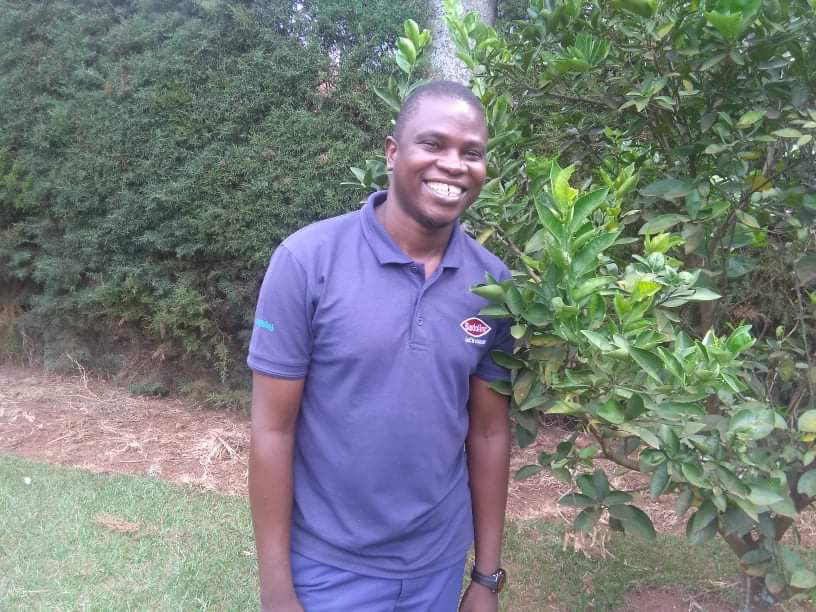
Photos from the ROWAN 2020 STAFF Retreat—PICTURES THAT SPEAK A THOUSAND WORDS:
In just 3 months, COVID-19 has spread to 74 countries. Almost instantaneously, its scare has gone global.
As of today, cases of the coronavirus have emerged in 7 African countries, including Algeria, Egypt, Tunisia, Senegal, Nigeria, Morocco, and most recently, South Africa. Uganda remains unaffected, but its Ministry of Health has taken measures to thwart the virus’s first breach.
At all major points of entry, including Entebbe International Airport, the government has instituted a surveillance program, which isolates potentially-infected persons while they undergo testing. So far 722 travelers to Uganda have been isolated out of precaution, including some 499 Chinese citizens and 150 Ugandan citizens.
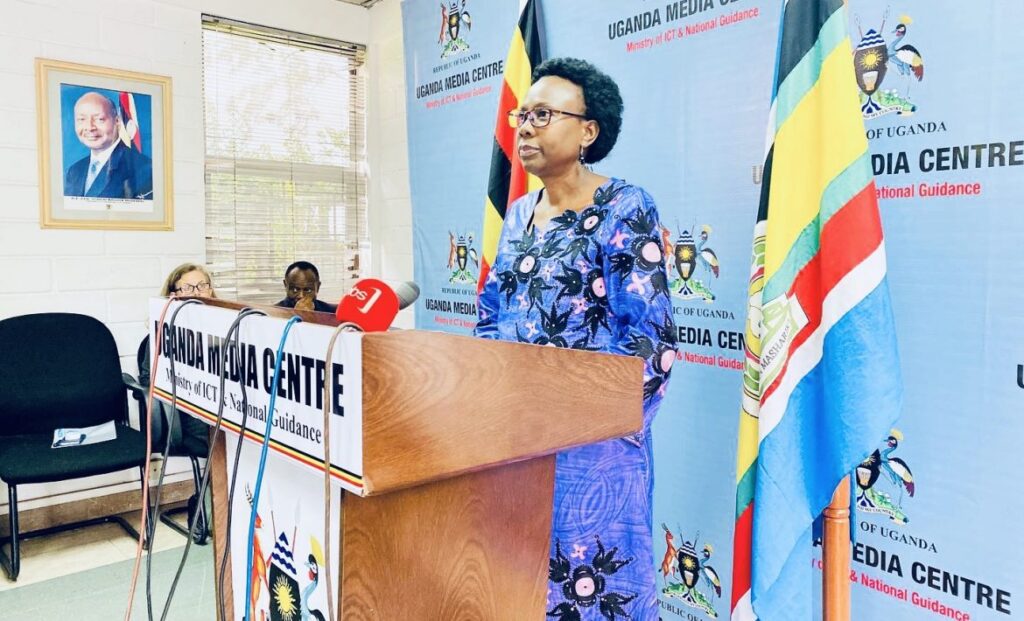
According to the Minister of State for Primary Healthcare, Dr. Joyce Mariku Kaducu, 10 suspected samples of COVID-19 have undergone laboratory testing. All returned negative. Moving forward, the Ministry of Health is actively equipping hospitals with testing apparatus, establishing mobile testing units, and preparing ambulatory transportation for suspected cases.
While the country has not banned all international entrants, 93 Ugandan students, who were in Wuhan at the time of the outbreak, are prohibited from coming home. Consequently, the government has issued financial assistance to these students while they remain abroad.
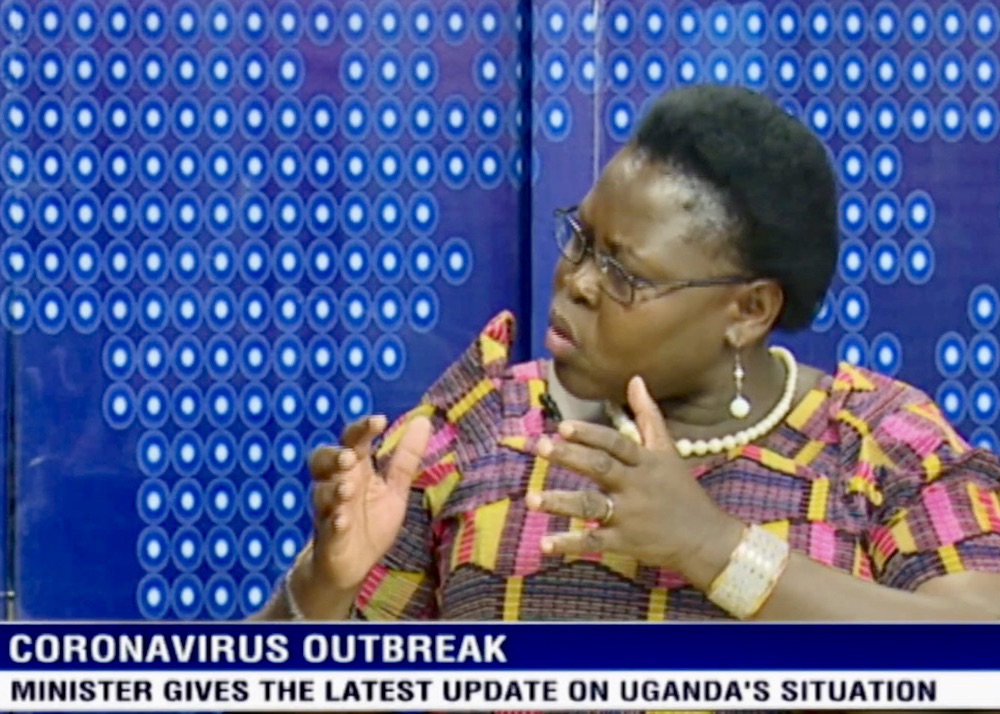
The Minister of State for Primary Healthcare, Dr. Joyce Mariku Kaducu, addresses Uganda’s current position with COVID-19 on NTV last Monday, March 2nd.
Beyond the issue of personal travel, the COVID-19 outbreak could have massive implications for Ugandan trade. Many Ugandans travel to China to pick up plastic, mechanical, and electronic goods for resale, but are now limited in their ability to do so. Furthermore, the scare has prompted many ships – which routinely transport cargo from China to ports in Mombassa, Kenya – to cut back on delivery. So far, the preventative measure has not inflicted a major blow to the Ugandan economy, but its consequences will become more apparent when businesses run low on inventory. Recognizing this possibility for low supply, Ugandan banks are preparing for widespread deflation of national currency.
Finally, the Ministry of Health seeks to educate the public on the best preventative measures. They recommend that all should wash their hands thoroughly and often, carry personal alcohol-containing hand sanitizers, and abstain from sharing drinks and utensils with others. If experiencing flu-like symptoms, one is advised to self-isolate and refrain from self-medicating. Antibiotics will not help against a virus; people must seek proper medical attention instead. To discourage large gatherings, which are more vulnerable to disease spread, Dr. Joyce Mariku Kaducu warns,
“Every gathering must get clearance from the ministry. If you are organizing a mass gathering without asking the Ministry of Health, we have powers to stop you.”
Invisible and insidious, the COVID-19 virus continues to elude containment efforts across the globe. While many countries have failed to block the coronavirus from crossing their borders, Ugandan public health authorities are doing everything they can to intercept COVID-19 importation and minimize spread in the event of its arrival.
…
Information and images presented above were compiled from these sources:
As ROWAN is in Uganda, we thought it would be helpful for our readers if we shared a bit more about this amazing country. This is an amazingly diverse land with a huge variety of animal & plant life to learn about. Perhaps Uganda’s most famous resident is the critically endangered mountain gorilla.
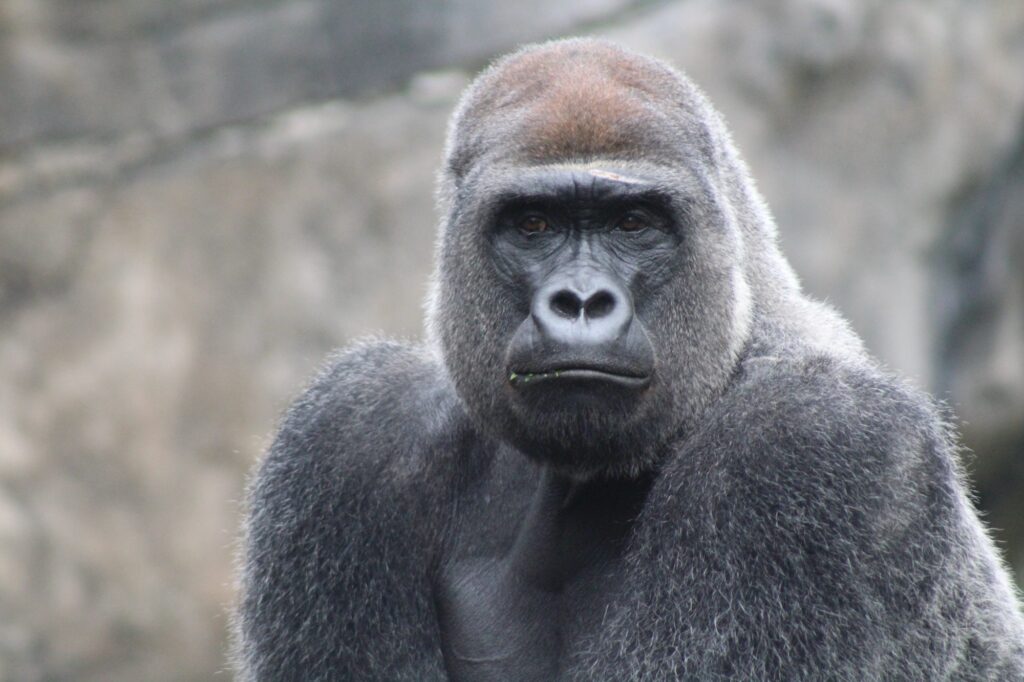
Uganda’s mountain gorillas.
High Altitude
As the name states, mountain gorillas prefer to inhabit mountainside forests at around 8,000 to 13,000 feet. Critically endangered since 1996, a variety of regeneration programs are in place to raise their numbers in the wild. In fact, Uganda is one of the only places in the world mountain gorillas can be found in the wild.
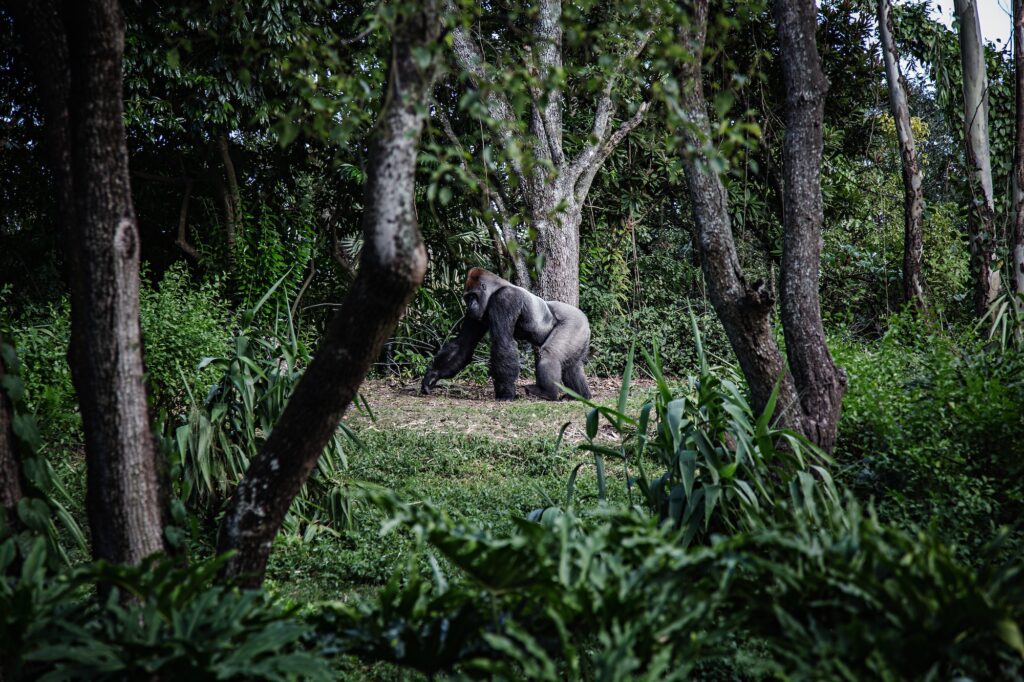
Uganda’s mountain gorillas.
Mountain Gorilla Facts
Mountain gorillas are vegetarians & their diet is made up of roughly 10 different species of forest plants. Favoring items like thistle, wood & roots, they rarely need to drink water as their diet provides a great deal. This is a very social animal, living in small groups (less than 40) dominated by a male silverback, leader & protector. Generally potential conflicts are resolved through a show of strength or intimidation tactics, but silverbacks have been known to give their life for the safety of his group. Young males are driven away from the group at around 11 years & often travel in packs until they reach sexual maturity.
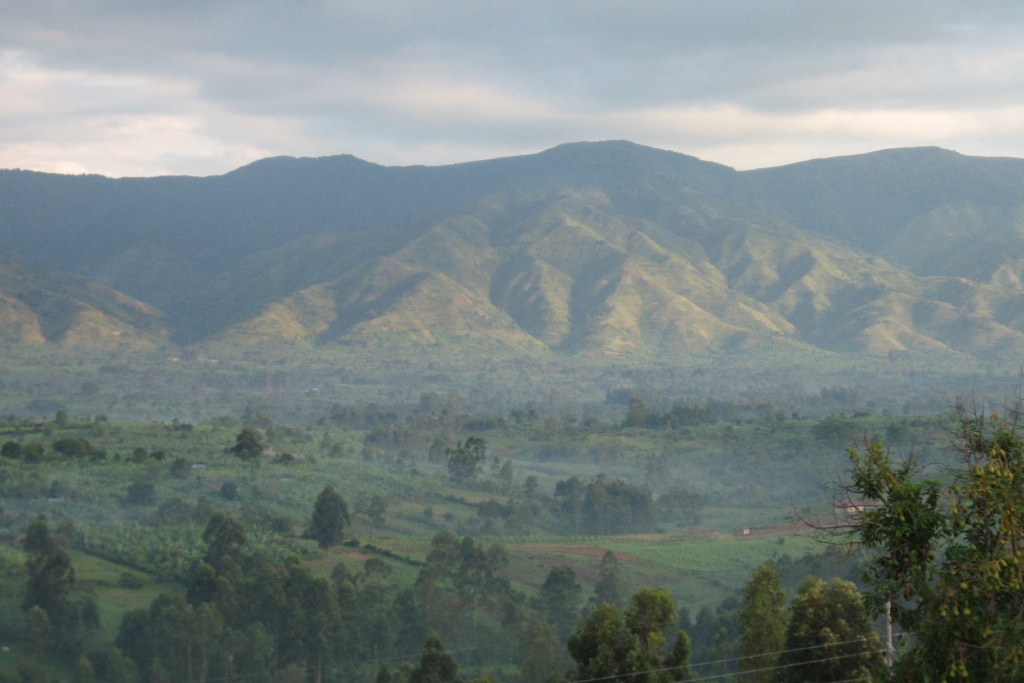
As ROWAN is located in Uganda, we enjoy sharing interesting things about the country with our readers. This is an incredibly diverse equatorial land with a huge variety of flora & fauna. Uganda is also home to the tallest mountain range in Africa, the Rwenzori Mountains, or the legendary Mountains of the Moon.
Rwenzori Mountains
About Rwenzori
The Rwenzori Mountains National Park is roughly 385 square miles in western Uganda & encompasses most of the Rwenzori mountain chain (including Africa’s third highest peak, Mount Margherita). The range’s glaciers, waterfalls & lakes make it one of the loveliest alpine areas in Africa. All of these stunning views, just a few miles from the equator!
Amazing Vegetation
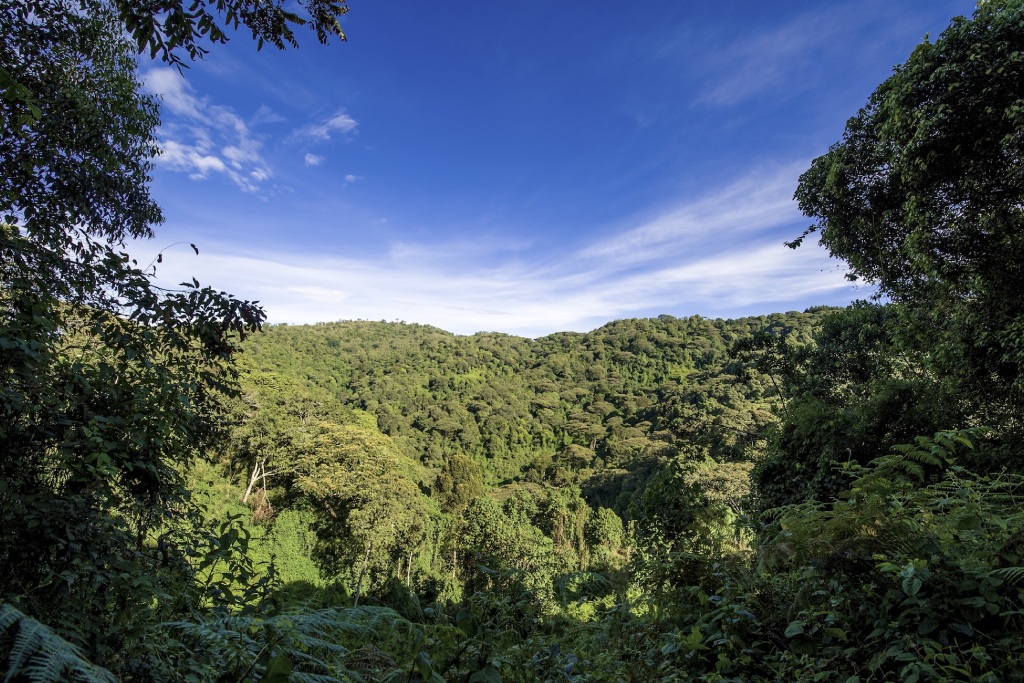
Because of their altitudinal range, consistent temperatures, humidity & high level of insolation, the Rwenzori mountains supports a rich variety of unusual flora. This includes many natural habitats of endangered species that can be found nowhere else.
Vegetation in Rwenzori Mountains
Creating the Nile
The Rwenzori Mountains are not only the highest in Africa, but they are also the source of the historic Nile river. These rugged mist-shrouded mountains tower more than 13,000 feet above the Albertine Rift Valley, making them visible to far away eyes. This combined with their extreme abundance of life is perhaps whey they are called Mountains of the Moon.
Come See Uganda
Want to see the Rwenzori Mountains with your own eyes? Come visit us at ROWAN & learn even more about the lovely country of Uganda.
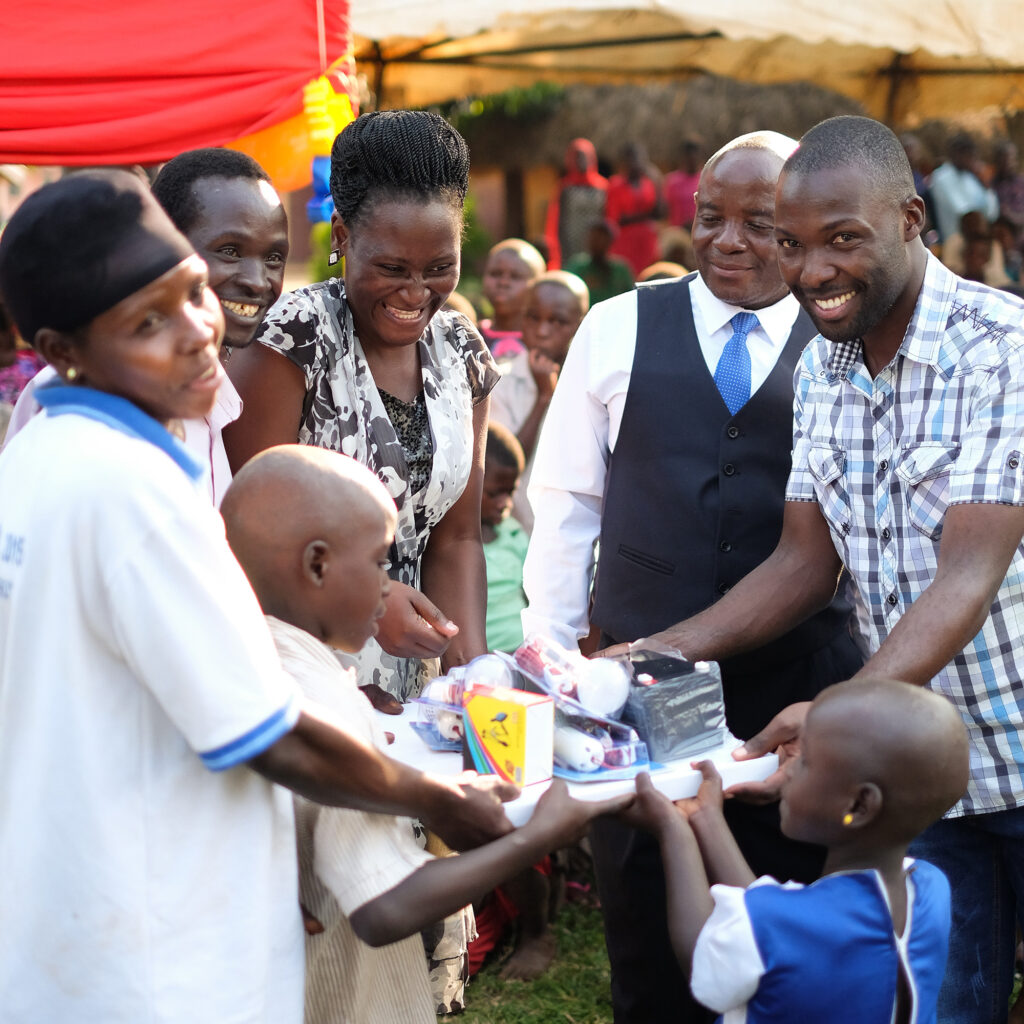
In Uganda, the District Agricultural officer is a government position. The officer who works in the ROWAN area is named Peter. His job in the district is to empower people with modern productive methods in agriculture and appropriate technologies. Peter is a young man who fell in love with ROWAN this past year. You can see him in the photo below at the annual Christmas party passing out solar light kits. He is amazed at the impact ROWAN is making in the community. He was singing a song to Pastor Paul that said “I want to work with you, I want to work with you!”
District Agricultural Office Paul with Pastor handing out solar light kits!
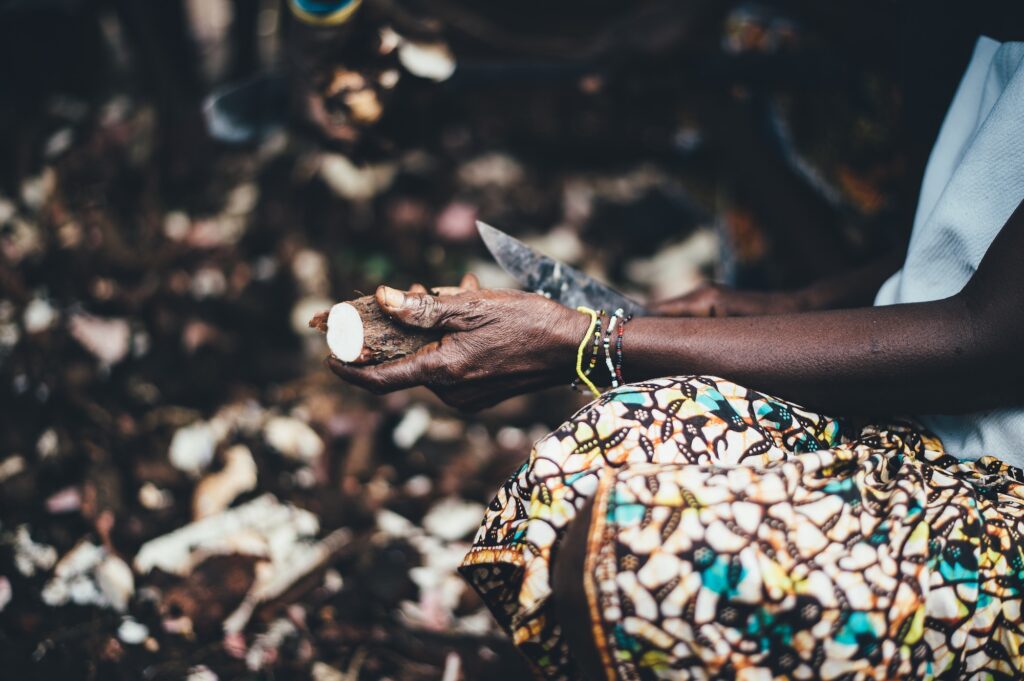
He has promised 5,000 chickens and 500 cassava seeds to give out across our 30 villages. ROWAN will divide them across our zone leaders and identify potential beneficiaries to receive these chickens and cassava. As people pray for ROWAN, we don’t always know how God will provide. Since Peter’s job is to help and train the people in agriculture, he saw that ROWAN was already on the ground doing just that. He wants to help and provide resources and this is huge! We are grateful to God and all those in the villages and across the world who pray for ROWAN. This is a tangible blessing—please thank God with us. C.S. Lewis said, in his book Letters to Malcolm: Chiefly on Prayer:
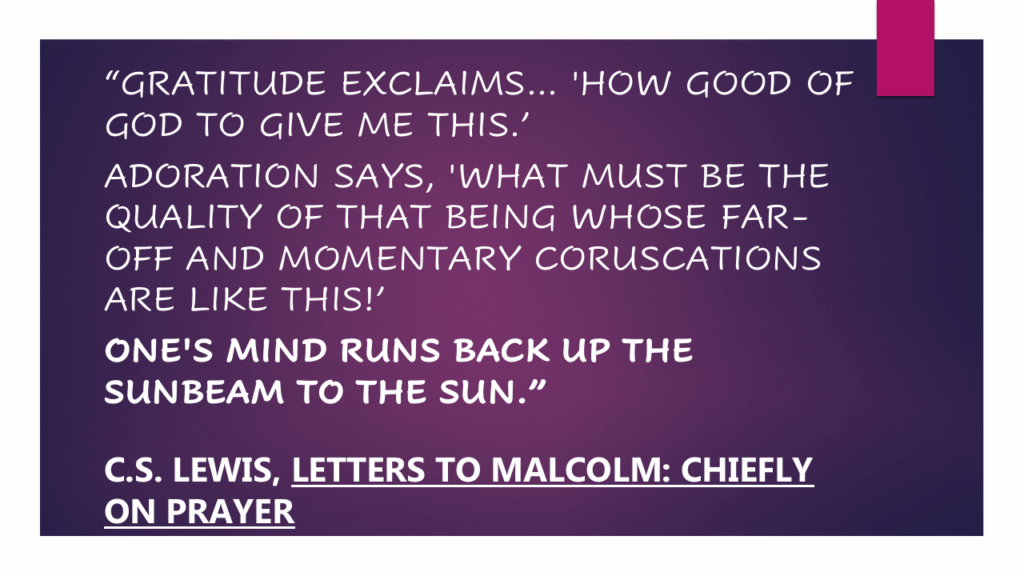
“Gratitude exclaims… ‘How good of God to give me this.’ Adoration says, ‘What must be the quality of that Being whose far-off and momentary coruscations are like this!’ One’s mind runs back up the sunbeam to the sun.”
As ROWAN is in Uganda, we thought it would be interesting to share some of the local Ugandan customs with our readers. This is an amazingly diverse country, from tribes to wildlife it has a great deal to offer those lucky enough to visit.
Amazing Place to Visit
Uganda sees over 800,000 tourists each year, their many bodies of water, friendly people & diverse wildlife calling visitors from around the globe. Ugandans often refer to foreigners in their country as mzungu. While the official languages of Uganda are English & Swahili, a wide variety of languages & dialects are spoken throughout the country.
A Few Social Graces
Here are seven bits of advice for visiting an incredibly friendly country. 1. Keep your hands to yourself – Public displays of affection are frowned upon by Ugandan locals. 2. Proper greeting – When greeting a Ugandan, it is impolite to simply say ‘hi’. ‘How are you’ is a much more appropriate greeting. 3. Watch your hands – Pointing is considered an insult in Uganda (true of many African countries). When necessary to point, the whole arm should be used for the gesture. 4. Stay laid back – Punctuality is not an important trait to the Ugandans. it isn’t uncommon for them to be (very) late for a meeting. 5. Watch your step – Be sure to look both ways before crossing the road in Uganda, pedestrians do not have the right away on the streets. 6. Practice modesty – Women in Uganda are expected to wear dresses that cover their legs to maintain modesty. 7. Dress for the occasion – The men in Uganda always wear trousers, no matter the temperature. Young boys (& foreign men) may wear shorts without breaking local norms.
Learn More
To learn more about life here or plan a trip to this amazing country visit Ugandan Tourism Board.
It’s simple. If the birth of a new human being is a miracle, and a midwife oversees the birth, then midwives should not merely be called “midwives,” but rather “Miracle Overseers.” Considering the diligent and self-sacrificial care of Brenda Musubika, ROWAN’s newest midwife, even this enhanced title of “Miracle Overseer” may not do justice!
Brenda, who is now 25-years old, graduated with her certificate in “Miracle Overseeing” (a.k.a. Midwifery) from the International Institute of Health Sciences in 2017. After graduating, she worked at the New Hope Hospital in Iganga, Uganda for a year before moving to the Joy Medical Center in Kampala, Uganda, where she served for the past two years before joining ROWAN.
Now, Brenda has come to Mawanga, alongside her husband and little girl, to look after all the new and expecting mothers in our community. This is no small task. Last year alone, over 100 babies were born under the Hope Clinic’s care! Central to her role, Brenda visits women at their homes to ensure that they can supply their babies with adequate breastmilk. When new mothers struggle to produce milk or cannot do so at all, ROWAN provides formula to prevent malnourishment.
Today, formula is a pressing need in the ROWAN community. In fact, it was just last summer that the ROWAN staff discovered Bruno, an emaciated 9-month old boy, who was living with his uncle and grandparents after his mother suddenly passed away. The family had no means of supplying breastmilk and they could not afford the price of formula. ROWAN tried to intervene in Bruno’s sickness, but the provision of formula came too late. Bruno died 2 months later as a result of the irreversible damage caused by his malnourishment …
We lost a child whose inmost being was created by God – whom God knit together in his mother’s womb. We lost a person that was fearfully and wonderfully made.
Malnourishment should no longer be the cause of this.
Will you help us make that possible?
As Brenda outreaches to the community, you can help us enable her with formula, which is rich in the irreplaceable nutrients needed by the newest members of our ROWAN family. If $50/month is all it takes to supply a newborn with formula, Bruno would have grown into a strong and healthy little boy with $600 in care for his first 12 months.
Our vision is to see that the joy of bringing a new child into the world outweighs its dangers and the sorrows of its loss. With Brenda joining our team, we are hopeful for a future in which the promises of the Lord may be realized time and time again:
“Behold, children are a heritage from the LORD, the fruit of the womb a reward.” -Psalm 127: 3
“He gives to the barren woman a home, making her the joyous mother of children. Praise the LORD!” -Psalm 113:9
As ROWAN is in Uganda, we have begun to share more about the country with our readers. This is an amazingly diverse land with a huge variety of animal & plant life to learn about. But today we will be talking about something a little different, a favored snack food during the rainy season, nsenene.
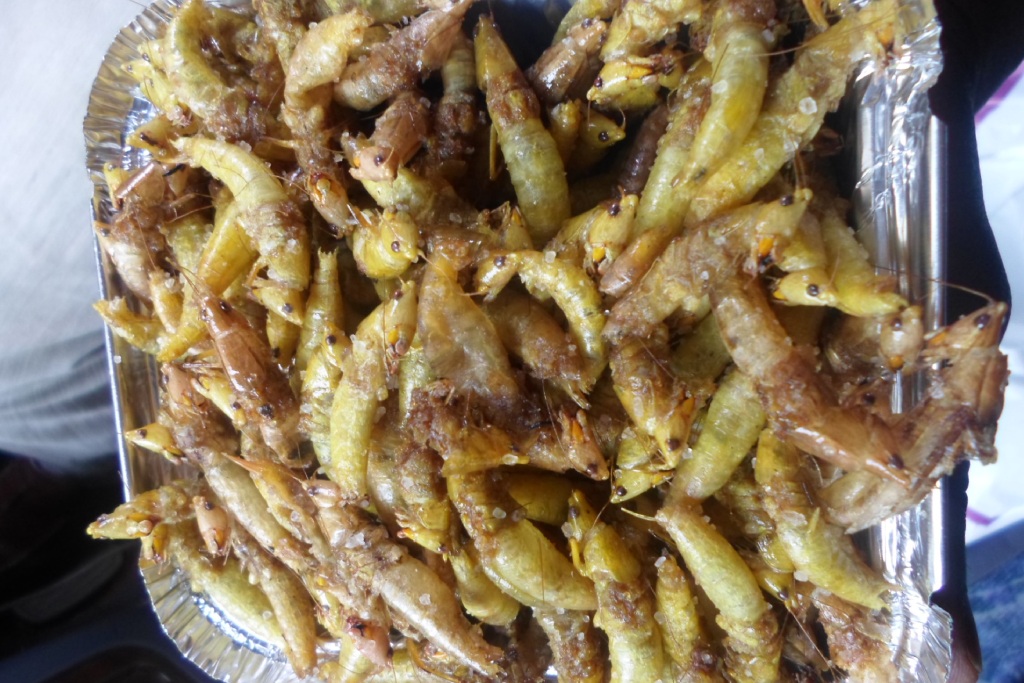
Fried nsenene, a favorite Ugandan snack food (Image courtesy of Erinamukuta).
A Rainy Day Snack
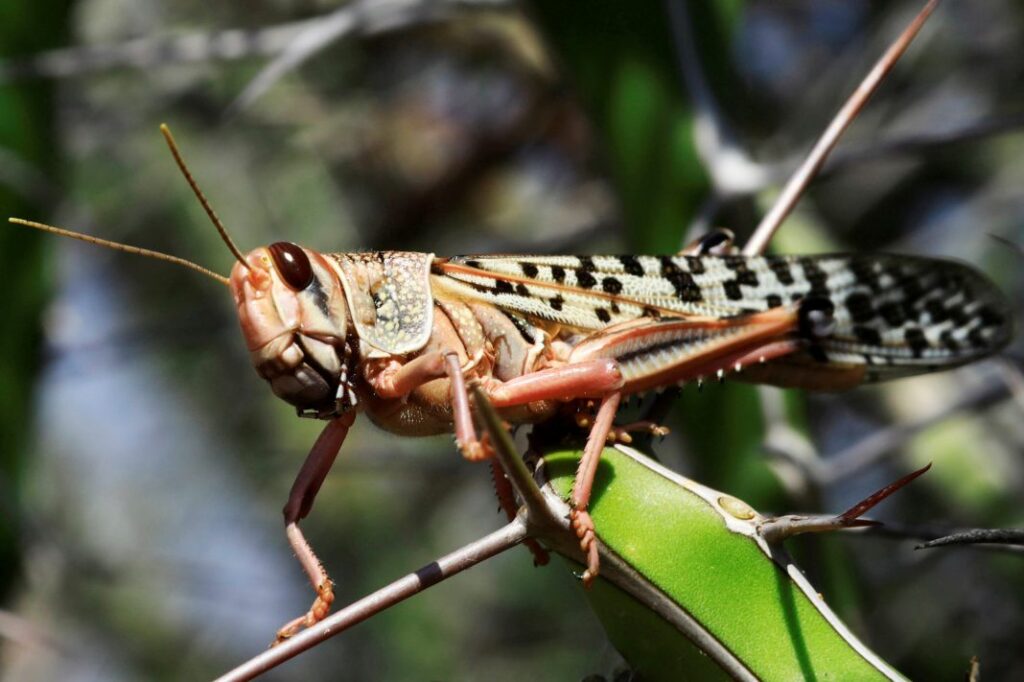
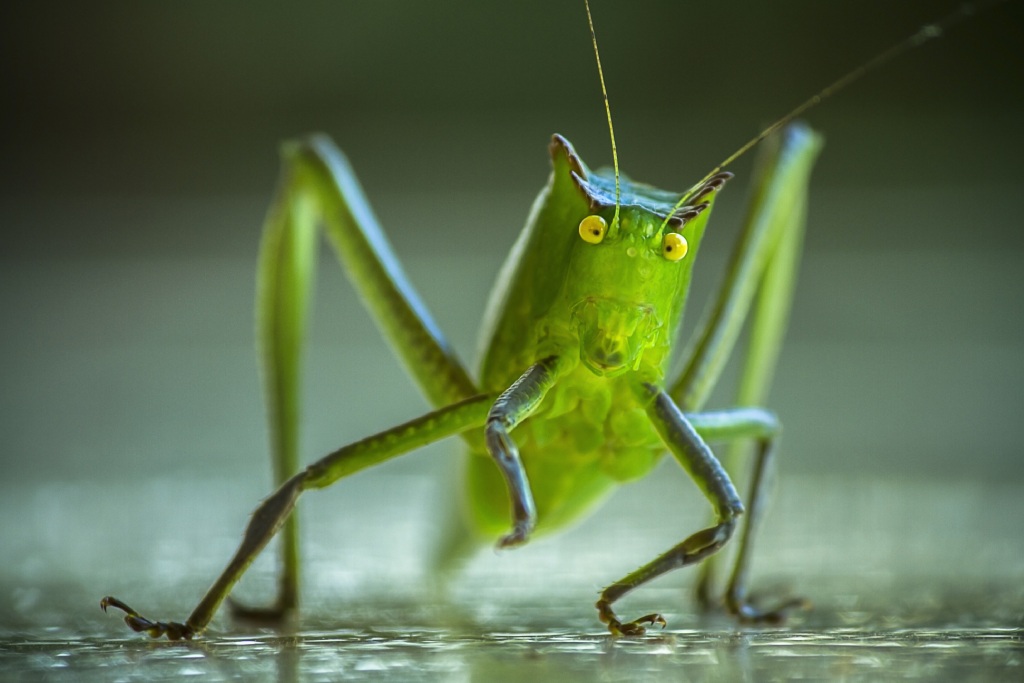
Nsenene is the Luganda name for bush cricket or katydid (often incorrectly called grasshoppers), the name refers to both the insect & the crispy treat. Usually only available for several months a year when they come out during the rainy season (May & November).
A Fair Trade
At the start of the wet season, nsenene hunters set up traps made for their tiny prey. At the end of the day, hunters sell their captured katydids to street vendors & hawkers. During this time of the year, vendors will set up along the roadside daily to sell their harvest.
Katydid, field cricket or nsenene.
Make Your Own
If you want to try this treat for yourself, the process is incredibly easy: 1. Collect or purchase your field crickets/ katydids. 2. Clean your nsenene first by rinsing them under cold water & pat dry with a paper towel. Then pluck off wings & legs. 3. Fry them with onion, chili, garlic or other spices to taste. The nsenene secrete oil from their abdomen, making them an affordable snack as they don’t require additional fat for cooking. 4. Pat dry with a paper towel & enjoy some traditional Ugandan street food!
Come Try it in Uganda
Why not come try this snack on the streets of Uganda? To learn more about tourism to the country visit Ugandan Tourism Board.
This week, on February 21, it is INTERNATIONAL MOTHER LANGUAGE DAY. This day was approved by the UNESCO (United Nations Educational, Scientific and Cultural Organization) General Conference and has been celebrated GLOBALLY since 2000, for twenty
“Understanding why and how languages differ tells about the range of what is human,” said Dan Jurafsky, the Jackson Eli Reynolds Professor in Humanities and chair of the Department of Linguistics in the School of Humanities and Sciences at Stanford. “Discovering what’s universal about languages can help us understand the core of our humanity.”
What is the language of Uganda?
Luganda, a Bantu language, is the common national language of Uganda. Wikipedia tells us it is spoken by more than eight million Baganda and other people principally in central Uganda, including the capital Kampala.
From Volunteertherealuganda.com: “Luganda is one of the main languages spoken in Uganda. It is the language of the Baganda tribe. While there are over 50 languages in Uganda, Luganda is by far the most widely spoken in the south central region. The Kingdom of Buganda stretches from Lyantonde in the west to the River Nile in the east. Luganda is a musical language that is spoken rather slowly. It’s not at all like English.”
In the areas that ROWAN serves, Lusoga is the regional language.
From Wikipedai: “Lusoga (Soga) is a tonal Bantu language. It is the native language of people who are indigenous/originally from the Busoga region. In terms of the number of speakers, is one of the major languages spoken in Uganda, after English, Swahili, and Luganda. However, it is mainly spoken in the Busoga region of southern Uganda by + 3 million people (2007 census). It is tonal in the sense that a given word can change its meaning depending on its tone, i.e. some words are differentiated by pitch. Words that are spelled the same may carry different meanings according to their pitch. Lusoga is rich in metaphors, proverbs and folktales.”
Language and communication are foundational and fascinating for understanding one another. God chose to create a multitude of diverse people and languages. When entering another’s language, it helps us to slow down and listen to one another. We stumble along together, until we are hearing each other. Learning from each other brings us together.
“He was given authority, glory and sovereign power; all nations and peoples of every language worshiped him. His dominion is an everlasting dominion that will not pass away, and his kingdom is one that will never be destroyed.” Daniel 7:14
If you find yourself in Uganda visiting ROWAN, here are some of the common phrases you will definitely hear:
Jambo! Hello Welaba! Goodbye Mukama Yebizibwe Praise the Lord Yesu Jesus Catonda God
When we say rolex, most of the world thinks of an expensive timepiece. In Uganda, however, it makes people’s mouth water & has absolutely nothing to do with time (unless, of course you have to wait for them to cook). In Uganda a rolex is a savory snack which consists of an omelette with onion & veggies rolled in a chapati, yum! Today we will teach you how to make your very own rolex.
Humble Beginnings
This tasty snack comes from the Busoga region where a creative chapati maker began selling the portable, affordable meal fairly high in nutrition. It soon spread to Wandegeya where Makerere University students quickly fueled further growth, enjoying them at all times of the day. Since then it has become a common food country wide & today there is even a festival celebrating them (last year it was in August).
Variations
With any popular food, variations always arise & the rolex is no exception. The name rolex comes from the rolling of the omelet & chapati, but here are a few variations you may want to try as well. Titanic A traditional rolex with two or more chapatis. Kikomando In this version the chapati is sliced & combined with beans. This name comes from commando soldiers who had to eat quickly in the field.
Rolex Ingredients
This is for one rolex roll. The amounts are not exact & we’ve added several different veggie options. As there are so many possible variations, make your omelet to taste. 1 Chapati (cooked) 2 Eggs Tomatoes Onions Cilantro Green cabbage (sliced thin) Carrot (cut into thin strips) Spring onions (diced) Green chillies (diced) Pinch of salt 2 tablespoon vegetable oil
Rolex Instructions
Combine & whisk eggs, veggies & salt until well mixed. Pour vegetable oil onto a heated non-stick pan, then add egg mixture. Let cook until underside is golden brown, then flip & cook the other side. Lay chapati on a plate & add the cooked omelet on top, then roll & serve!
More Recipes
Be sure to check out our recipes for matooke, nsenene & millet bread, plus stay tuned as we will be sharing more Ugandan recipes!
Receive updates on our relocation journey and immediate needs