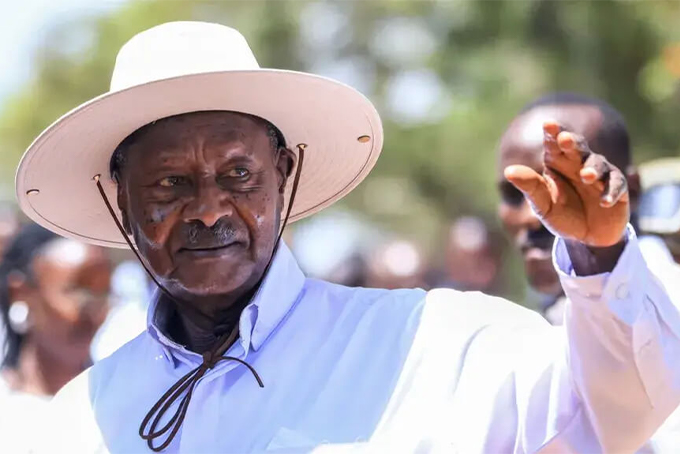
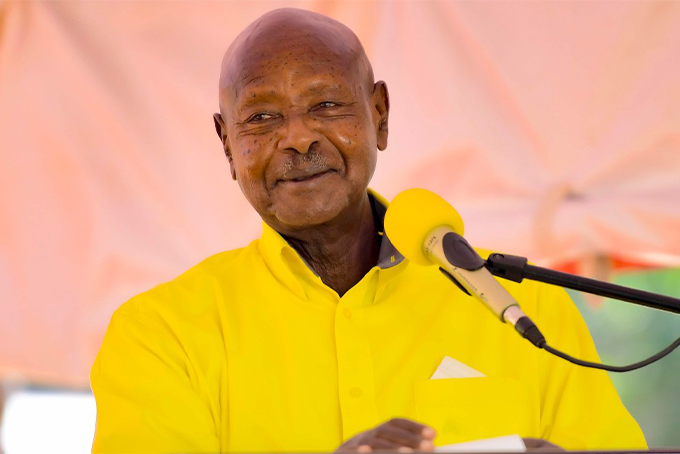
Ugandan President Yoweri Museveni has been declared the winner of Thursday’s election extending his four decades in power by another five years. He gained 72% of the vote, the election commission announced, against 25% for his closest challenger Bobi Wine, who has condemned what he described as “fake results” and “ballot stuffing”.Wine has not provided any details and the authorities have not responded to his allegations, but African Union election observers said they saw “no evidence of ballot stuffing”. Wine has called for non-violent protests.Museveni, 81, first came to power as a rebel leader in 1986 but since then has won seven elections.
Uganda has approved the use of Lenacapavir, a twice-yearly HIV prevention injection, marking a major milestone in the country’s fight against HIV/AIDS.The bi-annual HIV pre-exposure prophylaxis (PrEP) injection, developed by US-based Gilead Sciences, provides a long-acting, highly effective alternative to daily oral medication.With just two injections per year, the drug, endorsed by the World Health Organisation (WHO) in July 2025 and prequalified in October, offers a convenient option for individuals who struggle with adherence, face stigma or have limited access to healthcare services. ROWAN is looking into this for our future care, althoughmuch research needs to be done in order to confirm this is the best way forward.
Uganda’s authorities are mulling imposing strict controls on internet use, including the possible blocking of major social media networks, if the spread of false election information continues.The Acting Secretary-Commissioner of the Electoral Commission, Ronald Kamugisha, revealed the potential measures on Friday while speaking to reporters in Kampala.Platforms under review include TikTok, YouTube, Facebook, X (formerly Twitter), and Instagram, all of which could face restrictions ahead of the general elections scheduled for mid-January 2026.
Strategic partnerships expanded and collaborations emerged to wit; a memorandum of understanding with Bentley motors, Wrightbus, the British Geological Survey (BGS) and US Government.
A change in International Market as China’s heavy rare export restriction thereby escalating China-US trading tension. This is believed to have shifted the world’s attention to Makuutu as an alternative to bridge the supply gap.
Human rights concerns
The near expiry of the Land Access Agreement’s (LAA’s) between the mining company and land owners caused widespread anxiety as renewal remains unclear. That notwithstanding, the mining company to date continues accessing community land, raising critical legal and ethical concerns. The Resettlement Action Plan (RAP) equally remains concealed and inaccessible. Fear of possible evictions has gripped the project affected communities.
In Kampala today, MP Muhammad Nsereko of Kampala Central raised sharp concerns over Uganda’s academic requirements for parliamentary candidates. He highlighted a stark inconsistency: while a primary school headteacher must typically hold a Master’s degree, a prospective Member of Parliament needs only a Senior Six certificate. Nsereko likened the gap to devaluing the legislative role, and urged scrutiny of whether higher education standards would enhance governance credibility and policymaking capacity.
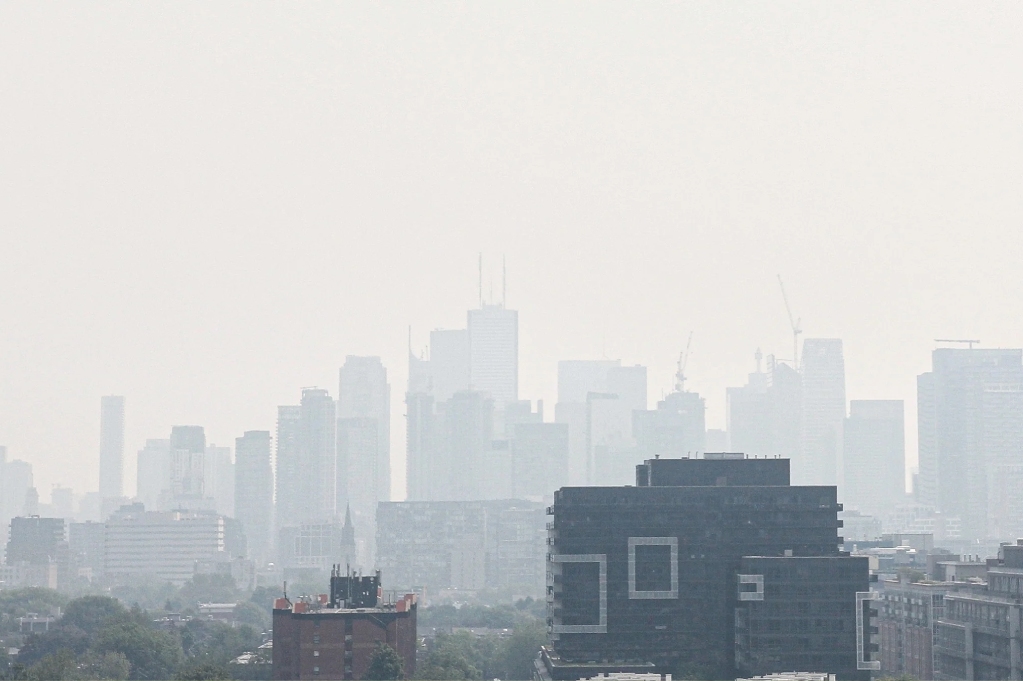
Kampala has recently ranked among the most polluted cities globally, as reported on September 2, 2025. The city’s air quality has been compromised by factors including low humidity, weak winds, and temperature inversions that trap pollutants near ground level. While improvement is expected later in the evening, significant health precautions—especially for individuals with respiratory issues—remain crucial.
Conservation at Ziwa Rhino and Wildlife Ranch continues to deliver hope: the Southern White Rhino population has climbed to approximately 48 by July 2025, up from 33 in late 2021. The sanctuary, spanning ~70 km², remains Uganda’s only site where these rhinos can be seen in a natural habitat. Powered by a partnership between private stakeholders and the Uganda Wildlife Authority, the sanctuary supports a growing ecosystem—including antelopes, hippos, crocodiles, tortoises, and over 40 other species. With around 78 dedicated rangers and security personnel, the facility ensures round-the-clock protection and offers guided trekking, bird-watching, shoebill sightings, and luxury lodging for visitors.
Uganda is pursuing a new funding round from the International Monetary Fund (IMF) after a prior Extended Credit Facility (ECF) of USD 1 billion—initiated in 2021—expired in 2024, with only USD 870 million disbursed. The Finance Ministry’s Permanent Secretary, Ramathan Ggoobi, confirms that the proposal for a successor loan will be tabled to the IMF Board after the scheduled general elections in early 2026 (likely January or February). The move stems from mounting public debt, which rose by 17.8% in 2024 to USD 29.1 billion, or 52.1% of GDP.
ROWAN exists to transform orphans and widows into change agents. Our mission is to promote self-reliance, spread and nurture the Christian faith love and empower orphans, widows and people affected by HIV and AIDS in our Community and all the beneficiaries are demonstrating healthy living from ROWAN support.
The recent directive from the U.S. administration issued on January 24, 2025 has paused nearly all foreign aid including significant funding to Uganda.
The withdrawal of funding from USAID funded projects has far-reaching effects on our local communities in our areas of operation. USAID has been playing a significant role in supporting the sectors of health, food security and economic development.
However, the recent directive from the U.S. administration issued suspending nearly all foreign aid including significant funding to Uganda, disrupted services that millions of Ugandans have been getting for their well-being and livelihoods. Our ROWAN beneficiaries are also affected because many of them were attached to different Health centers where they have been getting ARVs and counseling sessions. In the health sector, USAID funding has been instrumental in combating and strengthening health systems Programs. But the withdrawal of funding has already resulted into;
Interruptions in treatment, putting patients at risk of drug resistance and in the long run leading to increased mortality rate of both HIV/AIDS infected people.
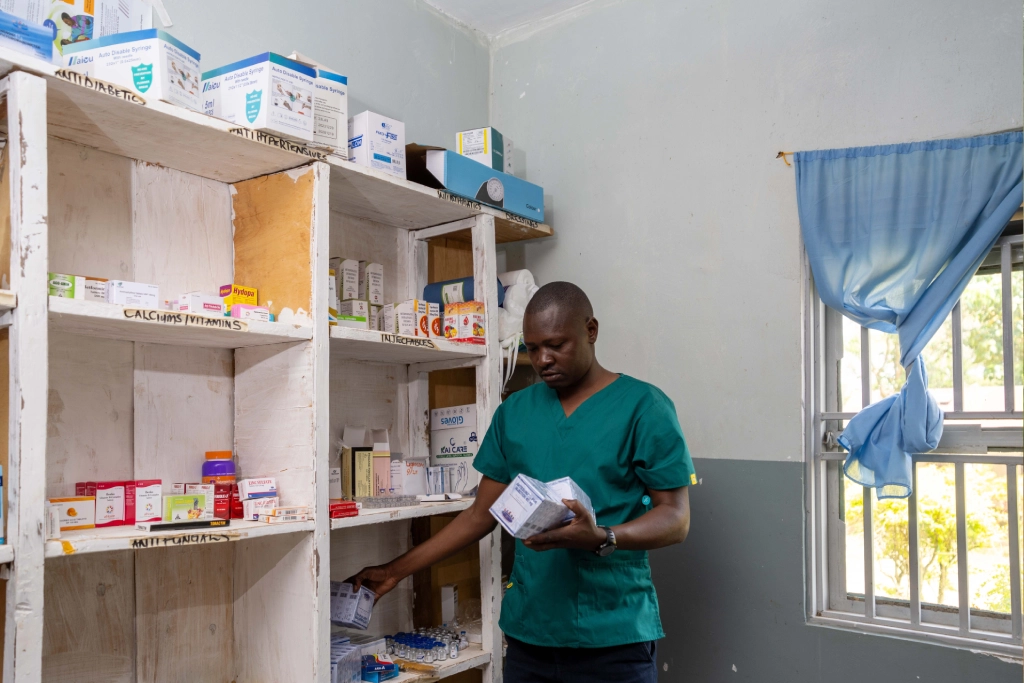
The vehicles that helped in the transportation of medicines to different facilities were stopped hence leading to medicine stock out and especially for those in second line and children.
Increased vulnerability to Opportunistic Infections. Without access to ART, widows living with HIV are more susceptible to opportunistic infections such as tuberculosis, pneumonia, and meningitis. These infections can be life-threatening and require prompt treatment. However, with the funding cuts, many widows may not have access to the healthcare services they need to diagnose and treat these conditions.
Economic Hardship. Many widows living with HIV some have been relying on USAID -funded programs for economic support, including food assistance and income-generating activities. Without these programs, many widows are likely to struggle to make ends meet, exacerbating poverty and food insecurity.
Social Isolation and Stigma. Our beneficiaries living with HIV may often face significant social isolation and stigma, especially in communities where there is high prevalence of HIV like Matovu zone, Bwalula Zone. Without access to USAID funded programs that provide psycho-social support and counseling, many widows or HIV infected people may feel abandoned and unsupported.
QUESTIONS:
[1] Where are Our ROWAN women getting their medications from?
The following health facilities are within our area of operation where our ROWAN women are getting their medication:
Buwunga Health Centre III
Makuutu Health III
Busesa Health Centre IV
Nankoma Health Centre IV
Bugiri Main Hospital
[2] How are we monitoring their medications?
We monitor our beneficiaries’ medication through a combination of methods including viral load testing, clinical assessments, and self-reported adherence data. Viral load testing is the primary method for assessing treatment success, while adherence is tracked through various tools, including electronic monitors and self-reporting systems.
Below are processes ROWAN team uses in monitoring our ROWAN women’s medication:
Method
Purpose
Viral Load Testing:
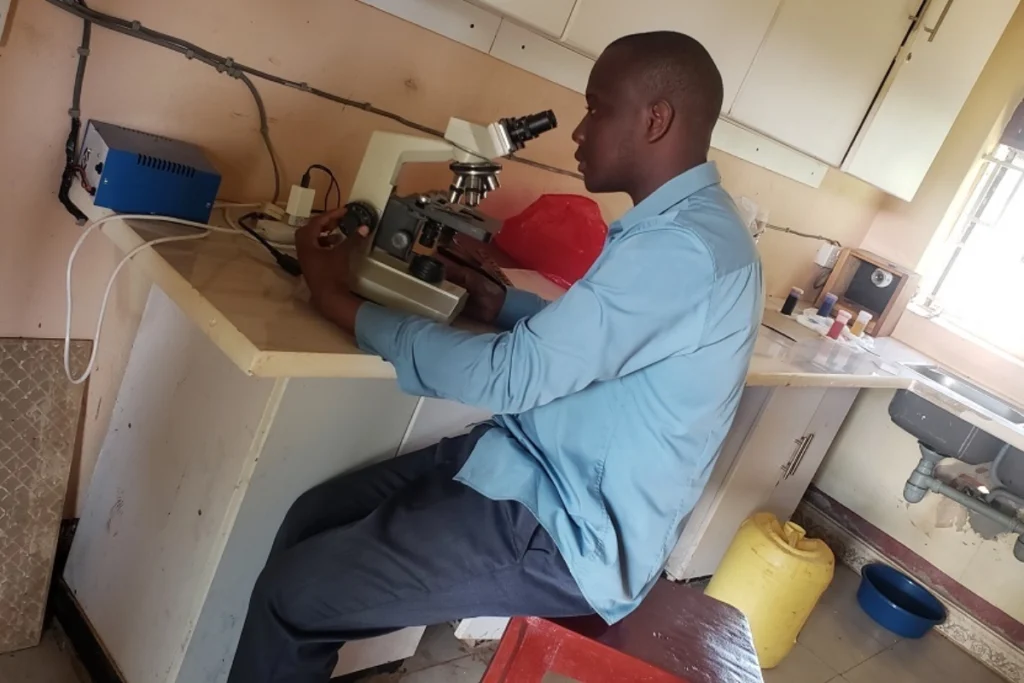
We monitor them through viral loads results obtained through close collaboration with government health facilities. These facilities conduct viral load testing for our beneficiaries, and we regularly liaise with them to collect, review and store the results for proper case management.
Clinical Assessments:
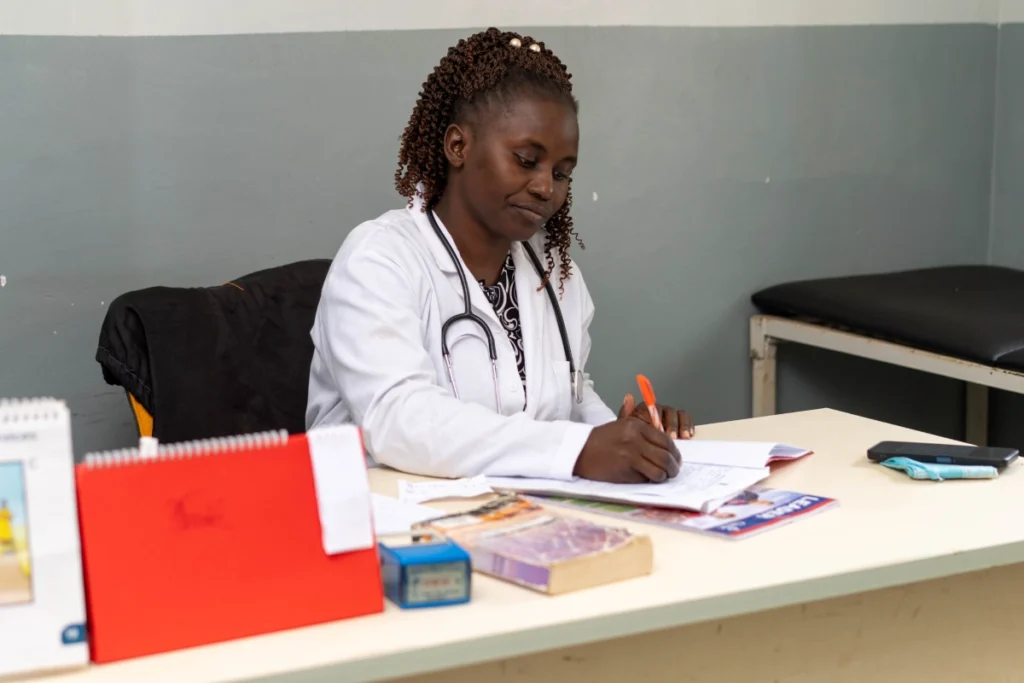
Clinicians assess patients’ overall health, including monitoring for any signs or symptoms of HIV progression or opportunistic infections.
Adherence Monitoring:
To ensure patients are taking their medication as prescribed, which is crucial for treatment success.
Intentional home visitation by ROWAN team to the clients homes
Efforts are made to ensure quality of care regularly to ascertain their living condition and know whether they adhering to drugs.
Phone Calls
Our team makes regular phone calls to patients to remind them to take their medication, address any concerns or questions they may have, and provide ongoing support and this helps ensure patients stay on track with their treatment plan.
Counseling Sessions
Medical team and zone leader plus the help of sponsorship team offer counseling sessions to patients, which provide an opportunity for them to discuss their treatment plan, address any challenges they are facing, and receive guidance on managing their condition.
[3] When will the money cut for medications take effect in our community?
This is already taking effect in our community. Previously, they would receive a six-month supply, but now they’re only getting a two-month supply. This is due to the large number of people they serve, and their priority is to ensure everyone receives some medication and unfortunately, there is also critical shortage of HIV medications for children. This is particularly concerning our young beneficiaries who rely on these medications to manage their condition. The stock out is affecting their access to antiretroviral therapy (ART), which is essential for their health and well-being and it has increased trauma and stigma which needs consolidated efforts from other supporters to address the challenge.
[4] How will our women get medications if the USAID money is not there?
Our women are left with the following options:
Await solutions from government interventions
Await support from other service provider’s for examples NGOs.
They (HIV/AIDS Patients) will have to buy by themselves these medicines from big pharmacies that will have the drugs at a cost.
[5] What is our ROWAN response?
ROWAN should develop a comprehensive and sustainable alternative solution in the long term to ensure that women continue to have access to essential medications. In a meantime it’s important to:
Explore partnerships with other international donors, foundations, and private sector entities could help fill the funding gap.
Develop a health insurance program to support women access medication.
Expanding community-based health programs and involving local communities in the delivery of health services could improve access and reduce costs.
Empowering ROWAN HIV infected beneficiaries with Income Generating Activities and entrepreneurial skills for sustainable livelihood.
To come up with a strategic plan on the procurement of antiretroviral therapy/ drugs